Looking for a Demo Duck alternative for your next SaaS or B2B video? This guide compares the eight best options for teams that need explainer, demo, and product video, ranked with honest notes on who each one is wrong for. It covers the studios, subscriptions, and tools you would actually shortlist to replace a premium project-based video house.
Demo Duck is a Chicago studio that has built custom 2D, 3D, and live-action explainer videos since 2011. The craft is high, and so is the model: projects are quoted one at a time, animation work runs into the tens of thousands, and live-action climbs higher. That fits a single flagship film. It fits less well when you ship product every month and need video to keep pace. The alternatives below run from full-service studios and subscriptions down to the DIY and AI tools that fit lower-stakes work, and they split along one line: subscription systems that produce video continuously versus studios that build one project at a time.
We built Vidico as a B2B explainer video company for SaaS and tech teams that need video every month, not once a year. Across 2,000+ campaigns we have generated more than 1.5 billion views, so we know this category from the inside. The picks here lead with that ongoing-production buyer, then cover the project studios, testimonial specialists, and DIY tools that fit different jobs.
Key Takeaways
- Subscription versus project pricing is the biggest cost decision. Per-project quotes compound with every video. A monthly plan holds the cost flat and builds assets you keep, so the more video you need, the more the math favors a subscription.
- Demo Duck is a premium, project-based studio. Animation projects run about $10,000 to $20,000, live-action reaches $35,000 to $50,000 or more, and timelines run 8 to 12 weeks. Teams look for alternatives when they need more speed, a lower per-video cost, or ongoing volume.
- Vidico is the strongest fit for ongoing SaaS and B2B video. A reusable template system turns one shoot into 40+ assets, so cost per asset drops as the library grows instead of resetting with every new quote.
- Match the vendor to the job, not just the price. A flagship launch film, a customer testimonial, and a steady stream of product demos are three different purchases, and the best provider changes with each one.
Content
Top 8 Demo Duck Alternatives for SaaS and B2B Video in 2026
Here are the eight alternatives worth comparing side by side before the full write-ups. Prices are current as of August 2026 and are starting points, not fixed quotes. Third-party ratings are directory snapshots taken the same month.
| Provider | Best for | Style and model | Starting price | Third-party rating |
|---|---|---|---|---|
| Vidico | An ongoing video system that gets cheaper per asset over time | Live-action and animation hybrid, monthly subscription | ~$5,000/mo | Named work below |
| Sandwich | A single cinematic product-launch film | Live-action and motion, per project | High five figures, per project | Known for Slack and Square launch films |
| Lemonlight | High-volume, budget-friendly live-action | Live-action and commercial, per project | ~$3,000 to $10,000/project | Clutch 4.9/5 |
| Superside | Replacing several agencies with one creative subscription | Design, motion, and video, subscription | ~$15,000/mo (annual) | G2 ~4.5/5 |
| Content Beta | Ongoing SaaS product and demo videos | Product and demo video, monthly plan | ~$3,000/mo | G2 4.7/5 |
| Testimonial Hero | Scaling customer testimonial videos | Testimonial and case-study video | from ~$3,800 | G2 4.9/5 |
| MotionGility | Fixed-price SaaS explainers for performance marketing | 2D and motion explainer, per video | ~$3,000/video | Clutch 5.0/5 |
| DIY and AI tools | Low-stakes, high-volume video made in-house | Self-serve software | Low monthly tiers | n/a |
1. Vidico: Best for an ongoing video system that gets cheaper per asset over time
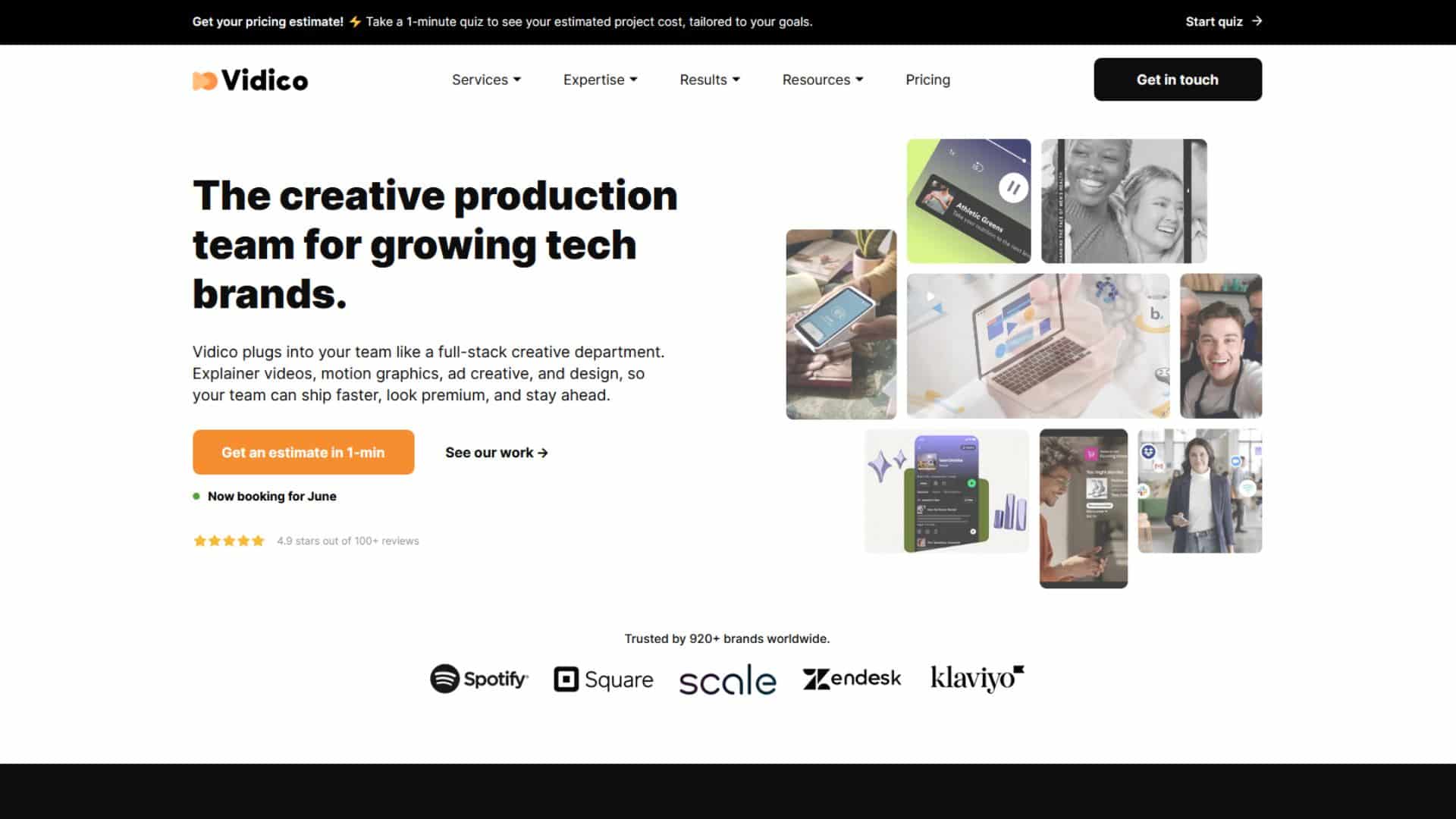
At Vidico, we build reusable video production systems for B2B and SaaS teams, so one shoot becomes many assets instead of a single deliverable. We work on a monthly subscription with all services included and unused budget that rolls over. Plans start around $5,000 per month and scale to $16,500 or more for enterprise output, so the right fit depends on volume. Our pricing quiz matches a plan to your needs in a few questions.
The difference from a project studio is the system underneath. We build a branded template library for each team, and it compounds: every project we ship makes the next one faster and cheaper, and a single shoot gets cut into more than 40 assets across hero video, demo walkthroughs, social cutdowns, ad variations, and email. Behind that sits a team of 40+ specialists across video, design, animation, and strategy, delivering from Melbourne, Sydney, New York, Dubai, and Singapore, with content localized across 200+ regions and 17 languages.
The proof is in whether the video moves a number. Our HoneyBook explainer lifted waitlist signups 9% in an A/B test against the previous version. Our Digital Ocean explainer drew more than 3.7 million YouTube views and lowered cost per acquisition on the campaign. For more of this style, see our SaaS explainer video examples.
Who it is not for: a team that wants exactly one hero film and nothing after it. A monthly subscription pays off when you produce continuously, so a single one-off video is a better fit for a project studio below.
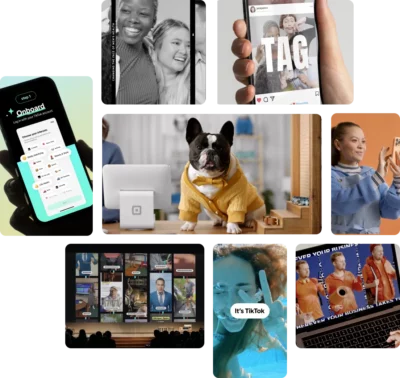
2. Sandwich: Best for a single cinematic product-launch film
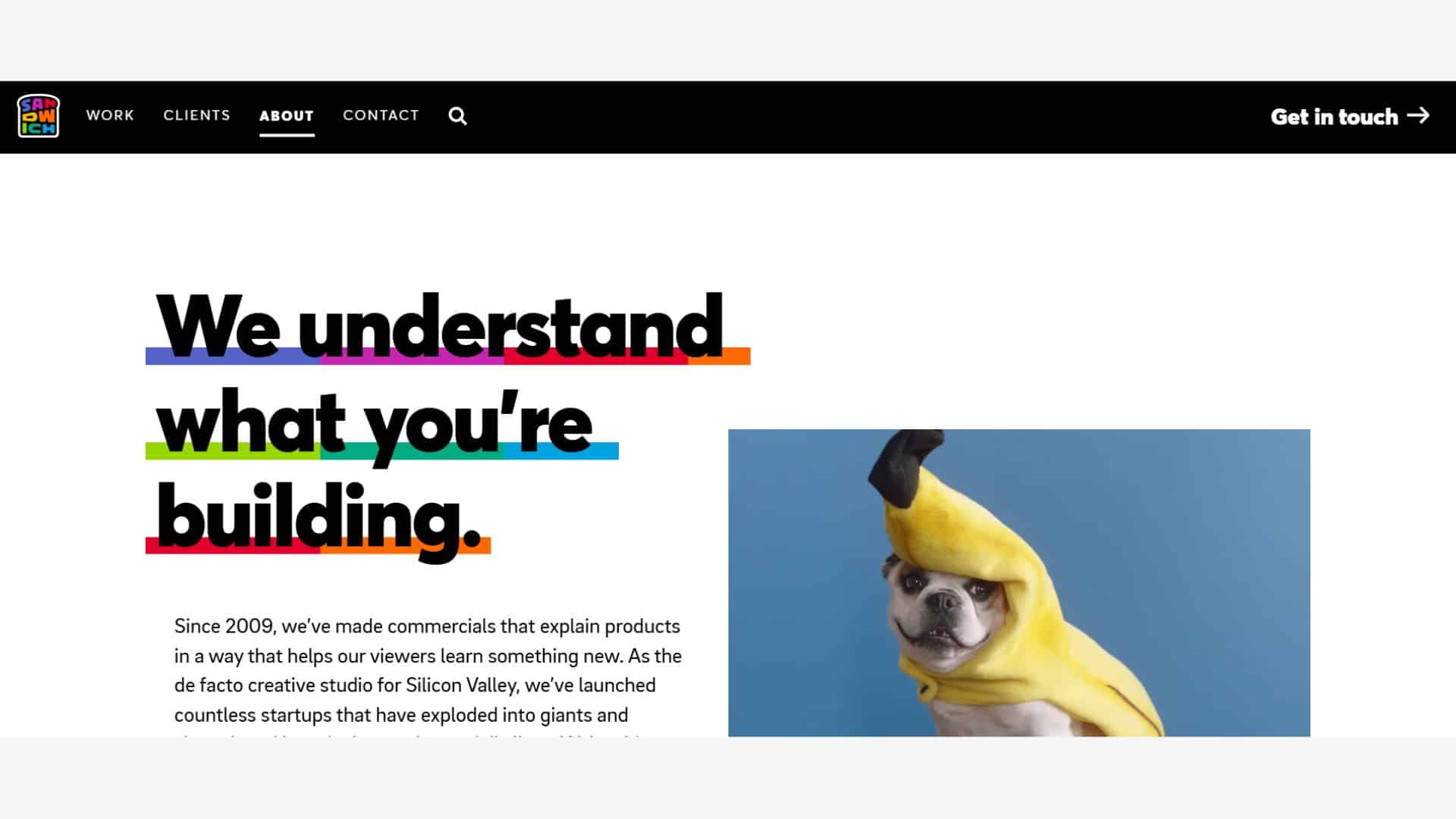
Sandwich is a premium studio for the one flagship launch film a product gets, the kind that sets the tone for an entire release. Founded in 2009 by Adam Lisagor and based in Los Angeles, it is the studio behind early launch and explainer films for Slack, Square, Airbnb, and Stripe, and that startup-launch pedigree is what teams pay for.
Sandwich does not publish pricing and works project by project, with flagship films widely reported in the high five figures and up. It is a boutique shop rather than a directory-rated agency, so the proof is the named work above, not a review count.
Who it is not for: teams that need ongoing volume, fast turnarounds, or a predictable monthly cost. A premium one-off film is a different purchase than a steady content program, and the per-project model gets expensive the moment you need more than one.
3. Lemonlight: Best for high-volume, budget-friendly live-action
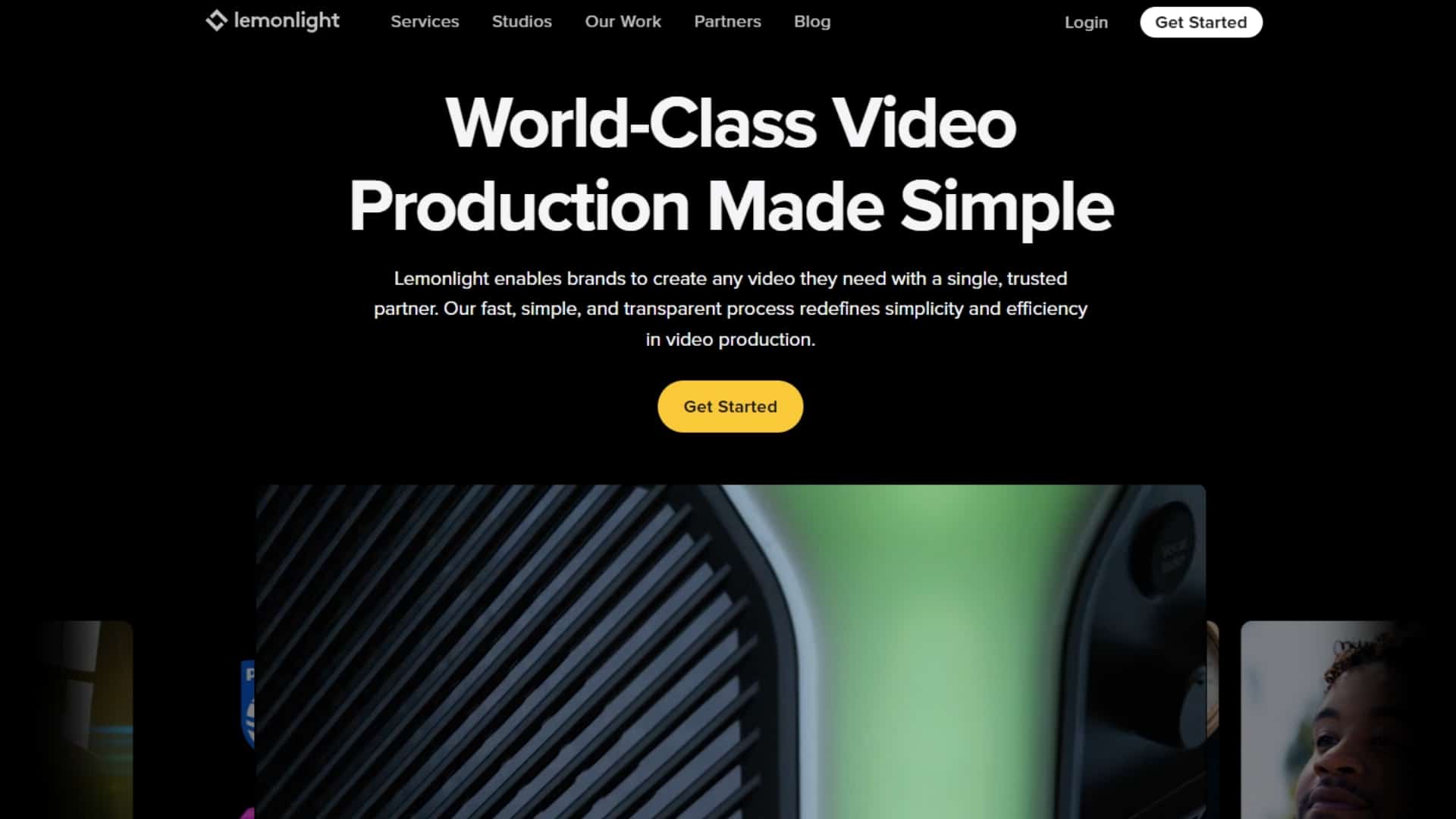
Lemonlight is a live-action video production company built to produce commercial and social content at volume without a premium-studio price tag. It runs the full process from creative strategy through delivery and leans toward fast, repeatable live-action rather than high-end custom animation. It holds a 4.9 rating on Clutch with Premier Verified status as of August 2026.
Lemonlight quotes per project rather than publishing flat rates, and industry roundups place typical projects in the $3,000 to $10,000 range depending on scope and shoot days. That structure suits teams that need a lot of straightforward live-action footage, not a single showpiece.
Who it is not for: teams that want premium animation craft or a reusable system that lowers cost over time. Lemonlight is a per-project live-action shop, so animation-heavy explainers and compounding template libraries are outside its core.
4. Superside: Best for replacing several agencies with one creative subscription
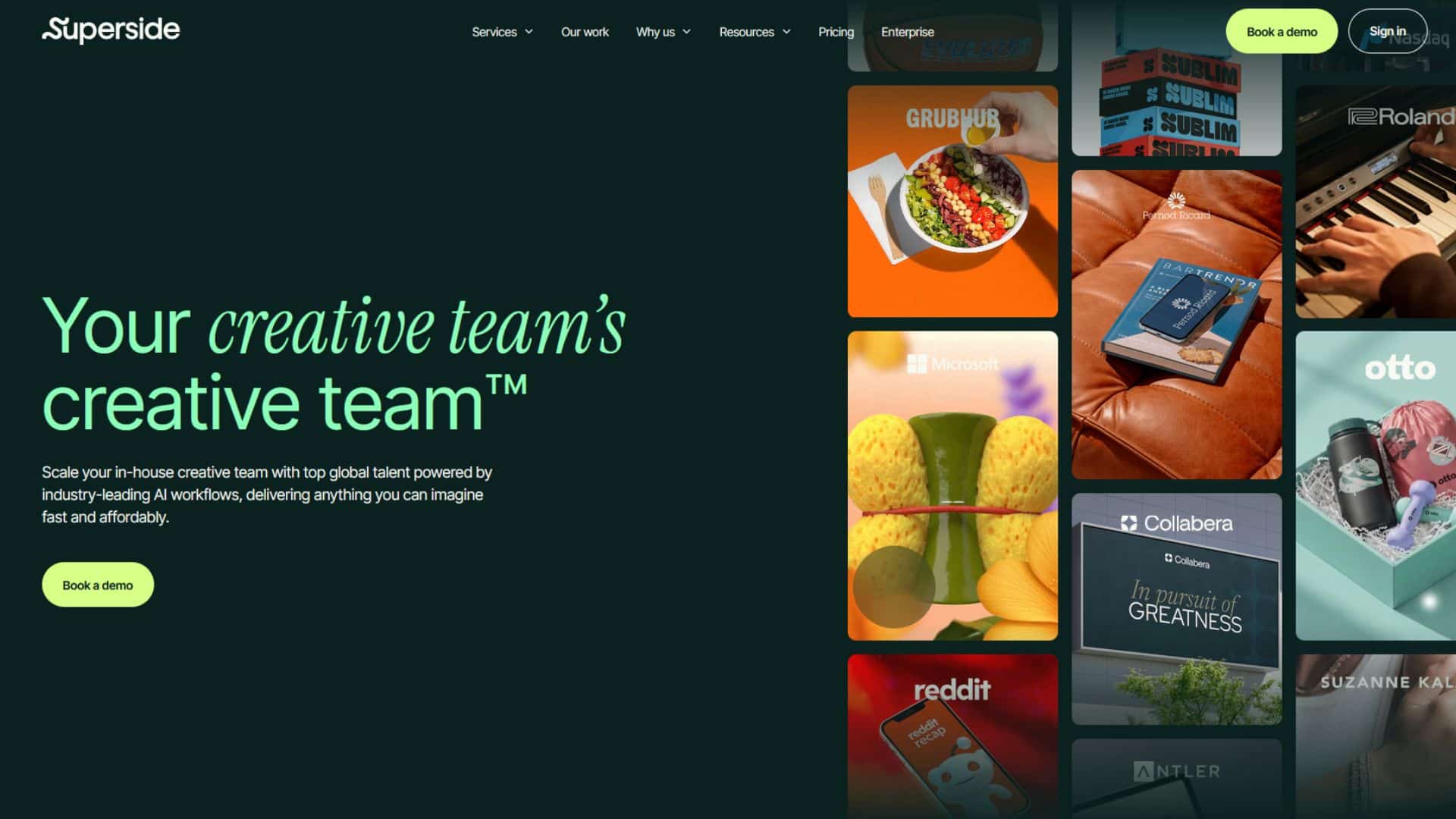
Superside is a creative-as-a-service subscription that covers design, motion, and video for enterprise teams under one plan. It supports more than 400 global brands and staffs each project from a bench of senior creatives with AI built into the workflow, which fits large teams consolidating several vendors rather than buying video alone. It carries a rating near 4.5 on G2 as of August 2026.
Superside subscriptions start at a $15,000 monthly minimum on an annual term, plus a monthly software fee, with dedicated teams priced higher. See how the model compares in our breakdown of Superside pricing. The value is breadth across creative formats, not deep specialization in explainer video.
Who it is not for: teams that want a dedicated explainer or demo-video specialist, or a smaller budget. Video is one service among many here, and the entry price rules out most growth-stage buyers.
5. Content Beta: Best for ongoing SaaS product and demo videos
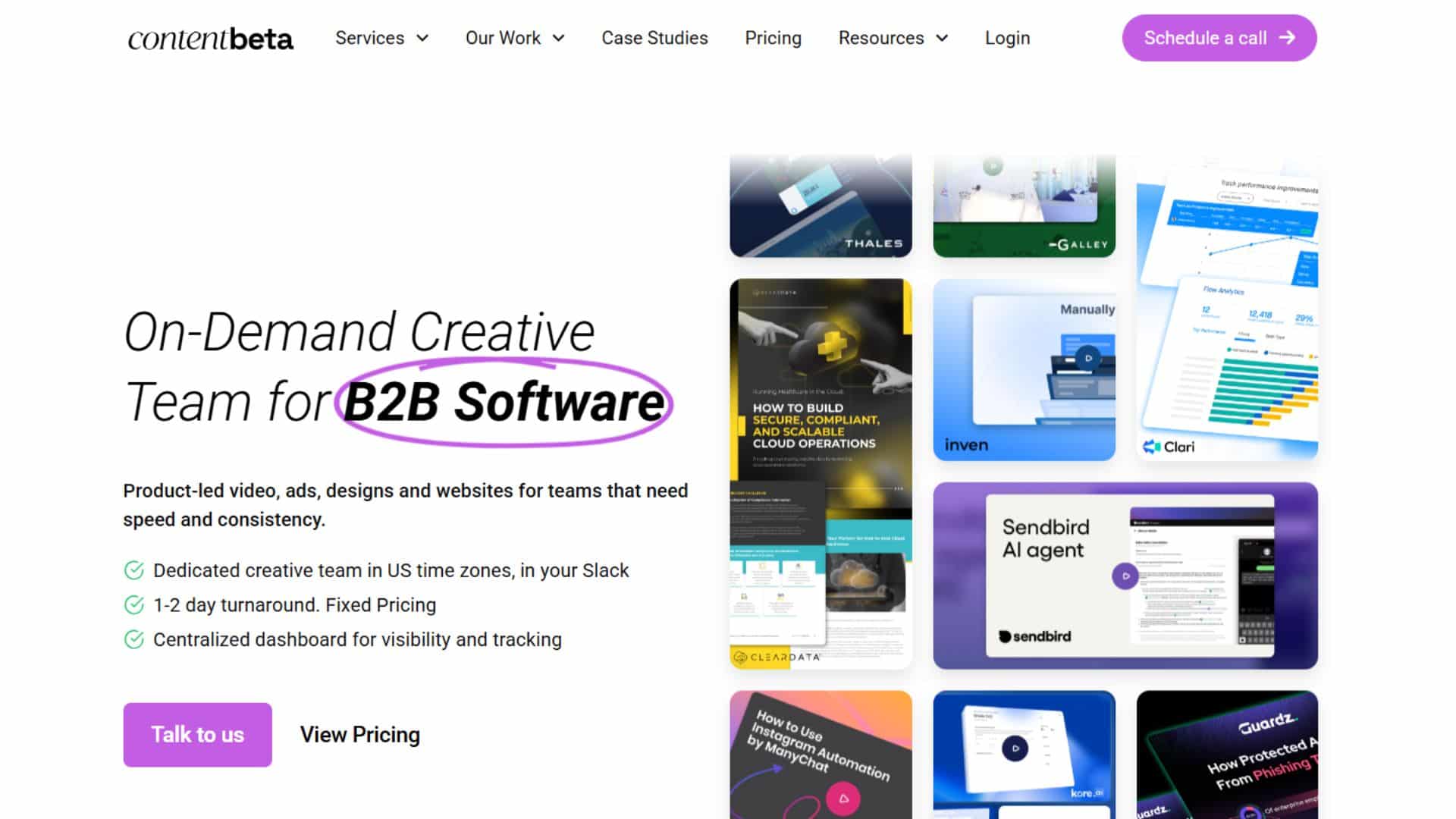
Content Beta is a B2B SaaS video subscription that ships product, demo, and explainer videos on a flat monthly plan. It works in US time zones and prices in credits so you are not quoting every small request from scratch, which suits SaaS teams that want steady output rather than a per-project contract each time. It holds a 4.7 rating on G2 across roughly 80 reviews as of August 2026.
Content Beta’s ongoing plan starts at about $3,000 per month, with a one-time Launch Sprint around $2,000 for teams testing the model before committing. Unused credits roll over on the monthly plan, and revisions are unlimited at each stage.
Who it is not for: enterprise teams that need large-scale, multi-market output at once. Content Beta’s boutique scale fits growth-stage SaaS better than a global brand running dozens of markets in parallel.
6. Testimonial Hero: Best for scaling customer testimonial videos
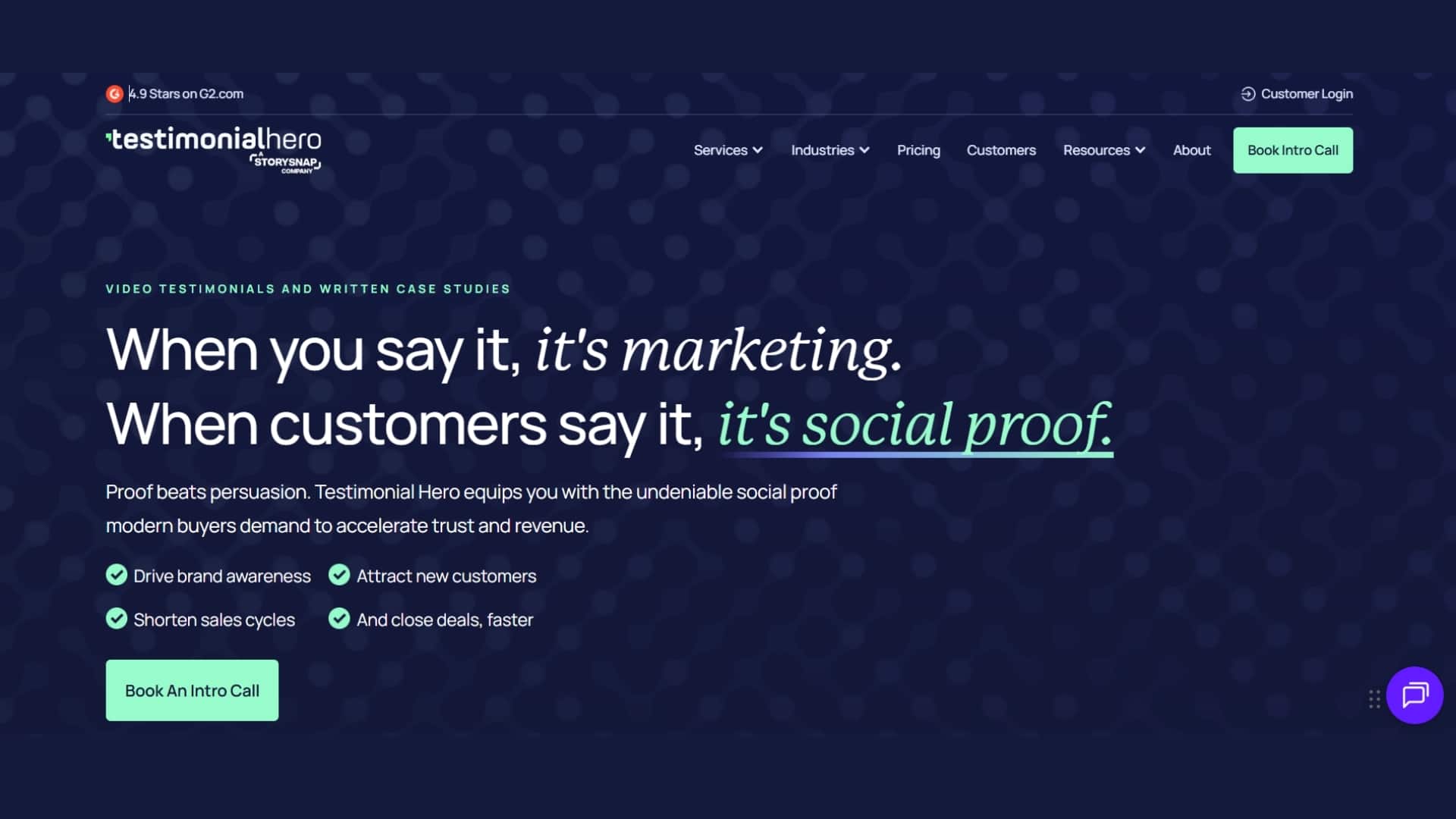
Testimonial Hero is a specialist that produces B2B customer testimonial and case-study videos at scale. It is the pick when your single biggest need is converting satisfied customers into persuasive on-camera proof, not producing explainers or animation. It carries a 4.9 rating on G2 across more than 90 reviews as of August 2026.
Testimonial Hero sells packages that start around $3,800 and rise with volume into five figures for larger programs. For a sense of what strong customer proof looks like on screen, see our roundup of customer testimonial video examples.
Who it is not for: teams that need explainers, animation, or a full-service creative partner. The format focus is narrow by design, so a buyer with mixed video needs will outgrow it fast.
7. MotionGility: Best for fixed-price SaaS explainers for performance marketing
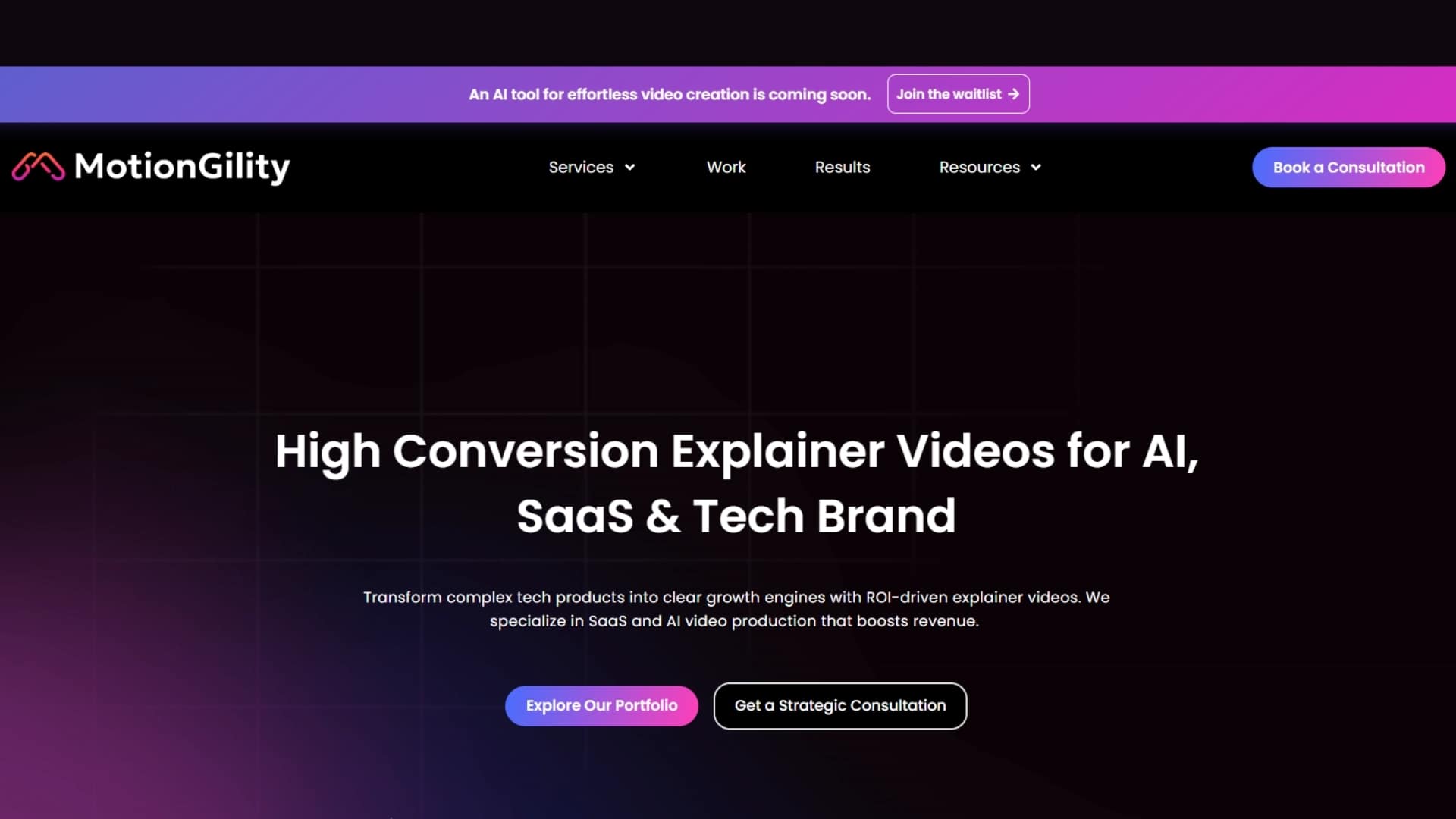
MotionGility is an animated explainer studio that sells fixed-price 2D and motion videos aimed at conversion, not just polish. Based in India and serving startups and enterprises alike, it positions on transparent per-video pricing and a faster timeline than premium enterprise studios. It holds a 5.0 rating on Clutch as of August 2026.
MotionGility prices explainers at roughly $3,000 per video on a fixed quote, which appeals to SaaS and B2B teams that want a predictable number and a performance-marketing angle. The trade-off is scope: it is an animation shop, so live-action and cinematic brand films are not its lane.
Who it is not for: teams that need live-action shoots or a high-end cinematic look. MotionGility is fixed-price 2D and motion, so a flagship brand film calls for a studio like Sandwich instead.
8. DIY and AI video tools: Best for low-stakes, high-volume video made in-house
DIY and AI tools like Synthesia and HeyGen let a team make video in-house without an agency. They are the budget, self-serve tier, a fit for internal updates, quick drafts, and high-volume, low-stakes content when the budget is tight. Monthly software tiers are low next to any studio, and output is near-instant. For the professional route on the same topic, see our guide to animation cost.
A related option is interactive-demo software such as Storylane, Arcade, Navattic, and Supademo. These build clickable product tours rather than produced video, which works well for in-app walkthroughs and sales enablement but does not replace a narrative explainer. Two other explainer studios you may see named in this category are Wyzowl and Yum Yum Videos, both fixed-scope animation shops worth a look if animation is all you need.
Who it is not for: flagship, buyer-facing video. These tools have no strategy or creative direction, and the output reads generic on the work that has to convert. On our own work, AI speeds the operational layer, localization, versioning, and repurposing, while human directors own the brief and every final cut. Use software for internal volume, and a professional partner for the videos your buyers judge you on.
How Much Does Demo Duck Cost?
Demo Duck prices per project on a custom quote, and the range is wide. Animation projects typically run about $10,000 to $20,000, while live-action production runs from roughly $35,000 to $50,000 or more depending on scope. Reported project minimums start around $10,000. Timelines usually run 8 to 12 weeks per video.
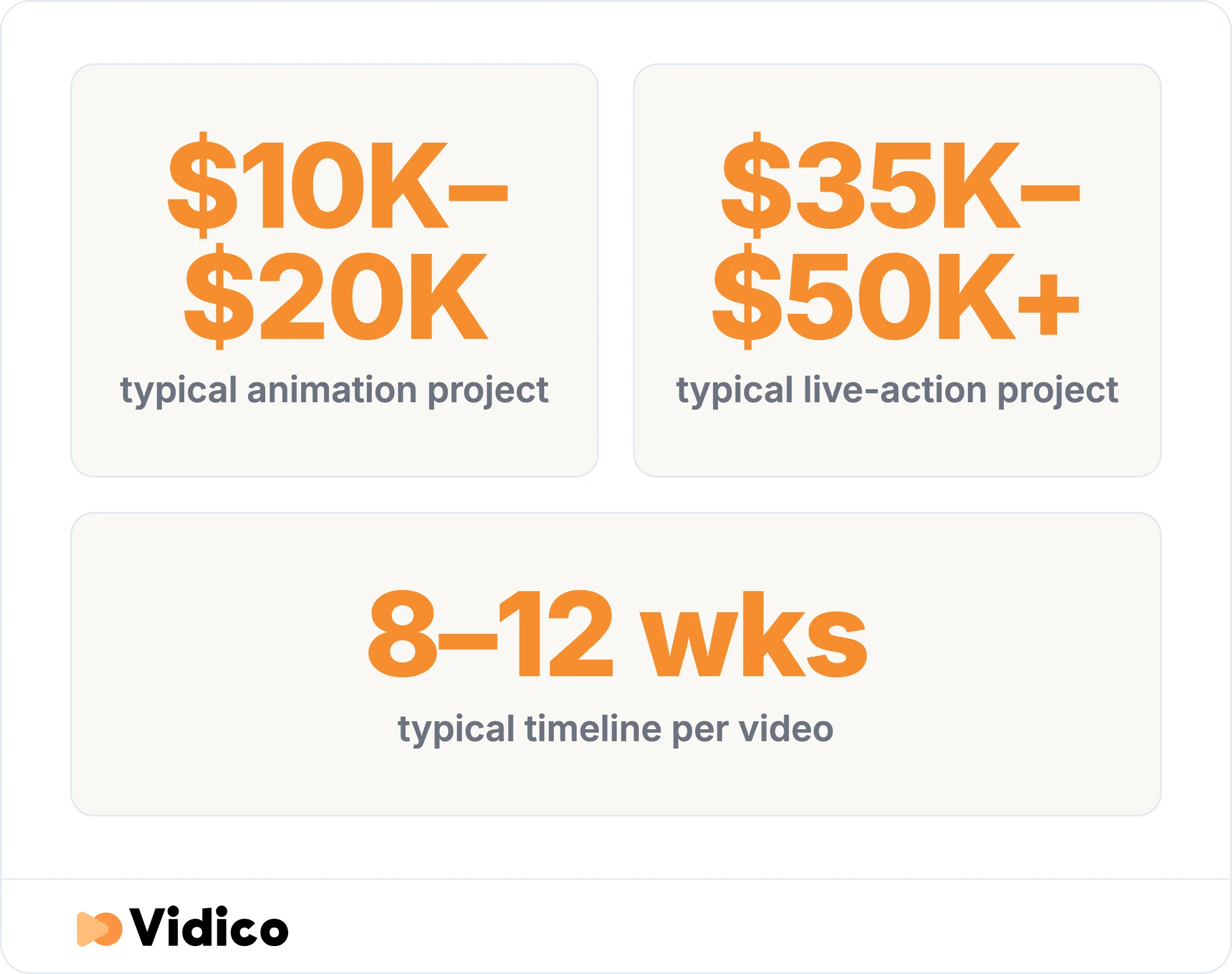
What a Demo Duck project runs, by format and by timeline.
That pricing buys real craft, and for a single high-stakes film it can be worth it. The friction shows up over time. A per-project model means every new video starts a fresh quote, timelines in weeks clash with fast release cycles, and there is no reusable system carrying cost down as you produce more. That is the gap most teams are trying to close when they search for an alternative.
One thing to budget for with any studio: the sticker quote is rarely the final number. Extra revision rounds, premium voiceover, native source files, added aspect ratios, and rush delivery all add to the base price. As a rule of thumb, treat the quote as a floor, and ask what is included before you sign so the comparison across vendors is apples to apples.
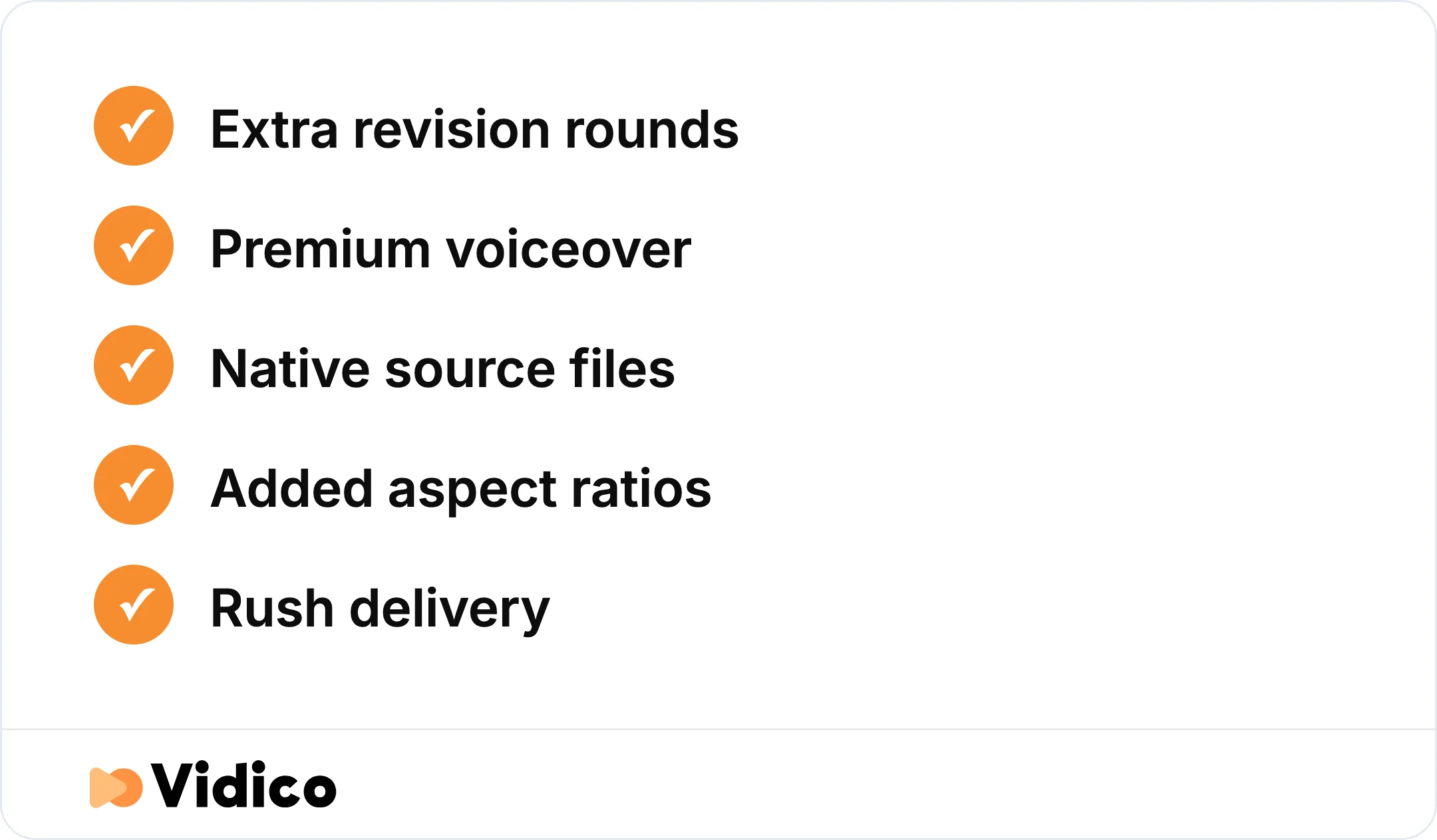
Line items that push a per-project quote past the sticker price.
How to Choose a Demo Duck Alternative
The choice comes down to one question: do you need an ongoing subscription for video that ships every month, or a one-off project partner for a single film? Answer that first and the shortlist narrows itself.
Subscription versus project-based is the core decision. If you ship product updates and need a steady stream of video, per-project quotes compound against you while a subscription holds cost flat and builds reusable assets you keep. For a fuller breakdown of what production actually costs by format, see our guide to video production cost.
Weigh in-house against outsourcing honestly. Building a full in-house video team costs far more than most teams expect once you count salaries, gear, and software, and it only pays off at very high, sustained volume. Below that, an outsourced partner is usually the cheaper path. Our take on the in-house versus outsourced trade-off walks through where the line sits.
Not sure where you stand against competitors? Our Creative Intelligence Report breaks down 12 areas of your competitive landscape at no cost, with a 48-hour turnaround.
Match the model to the format and funnel stage. A homepage explainer, a product demo, a customer testimonial, and a flagship launch film are different jobs. A single cinematic hero asset can justify a premium project studio. Monthly, operational, high-volume content favors a subscription, and for the lowest stakes, DIY tools do the job.
Run the same due diligence on every shortlist. Before you sign, confirm three things: how many revision rounds you get at each stage, who specifically writes your script, and whether they can show 10 or more recent examples, ideally in your industry. Vague answers here predict slow, off-brand delivery later.
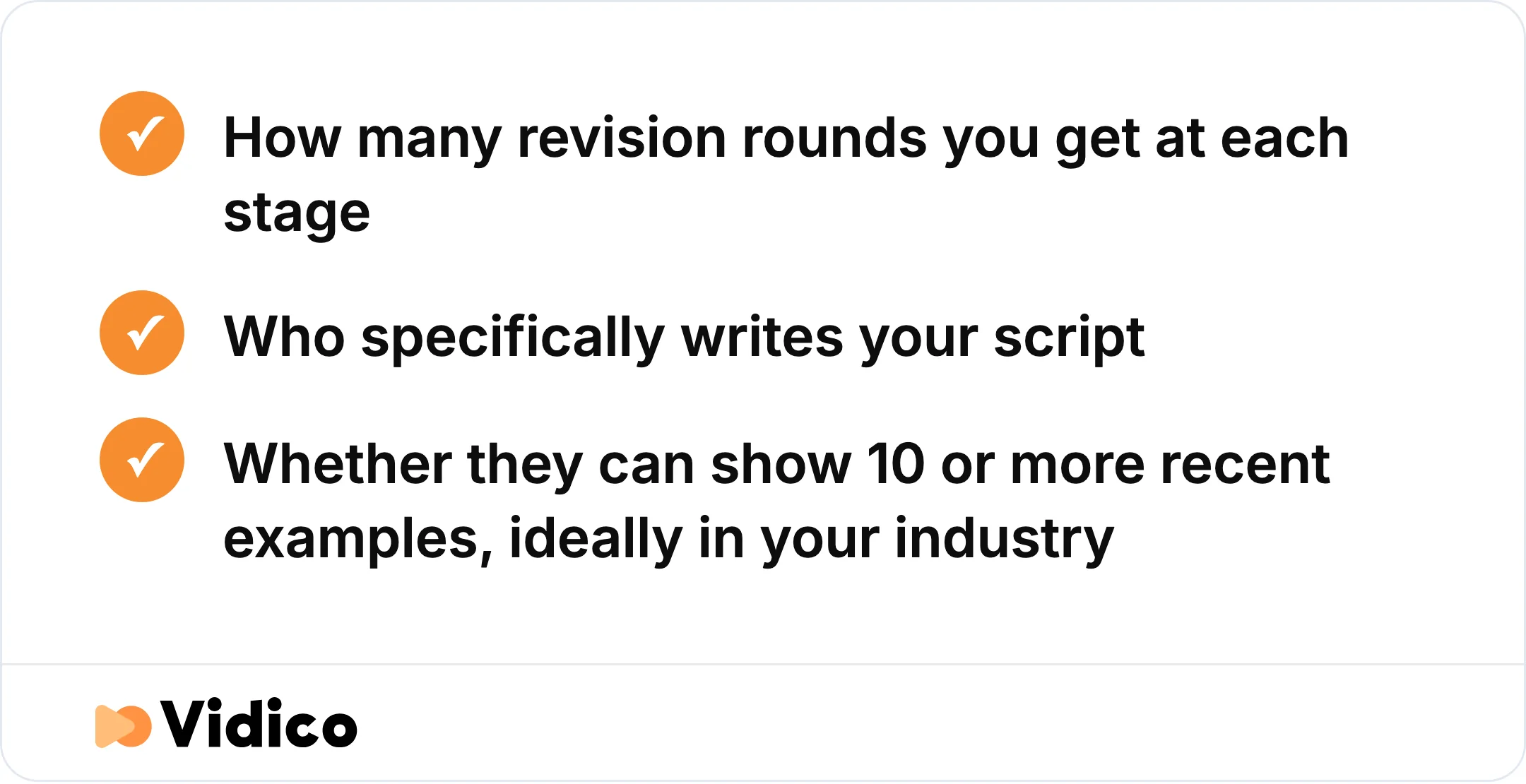
Three questions to run past every shortlisted vendor before you sign.
Video is worth getting right because it now sits at the center of how buyers decide. In HubSpot‘s survey of marketers worldwide, 93% say video is an important part of their strategy, and the same research shows the top three ROI-driving content formats are all video. Weight a partner’s SaaS and B2B experience heavily, because a team that already understands how to explain software turns work around faster without a quality drop.
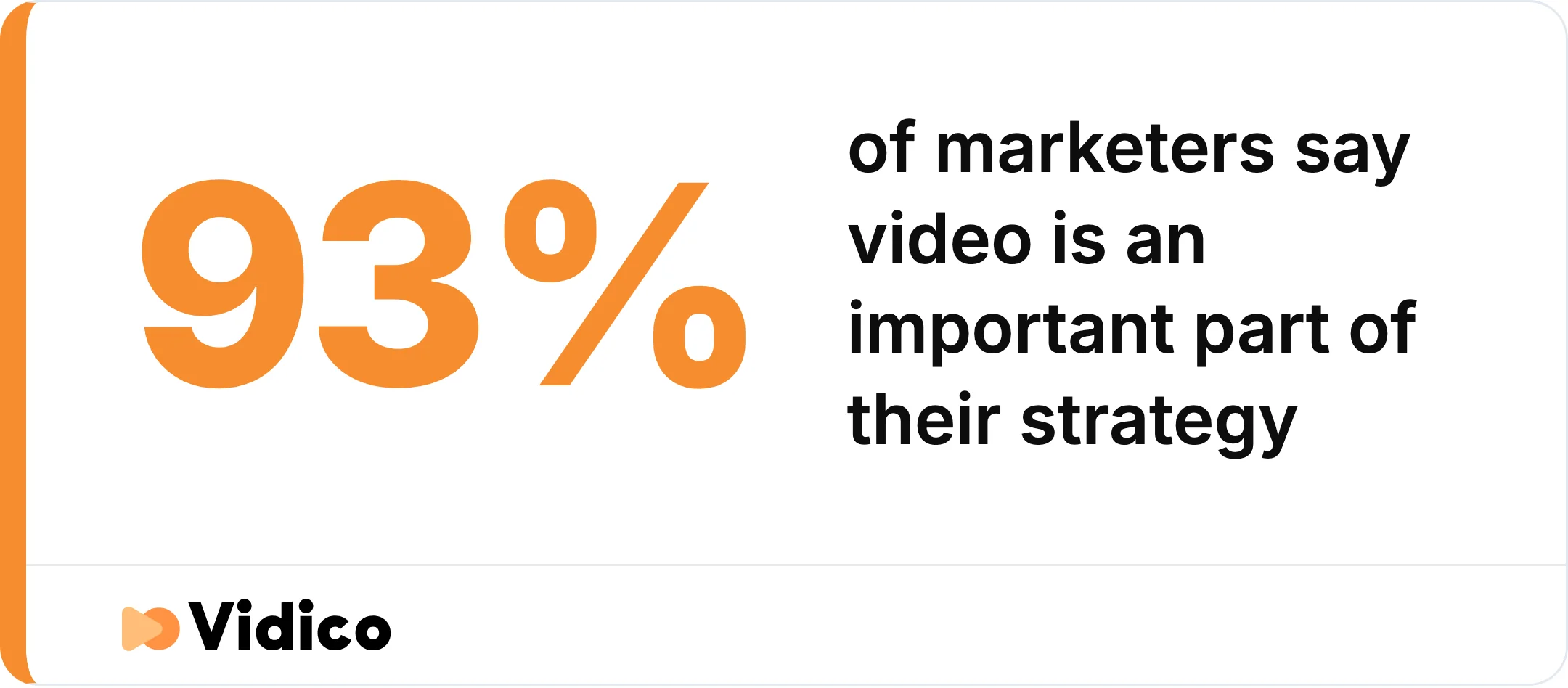
Why the vendor choice matters: video’s role in marketing strategy. Source: HubSpot.
Frequently Asked Questions
What is the best Demo Duck alternative?
Vidico is the strongest alternative for teams that need ongoing SaaS and B2B video, because a reusable template system turns one shoot into 40+ assets and cost per asset falls as the library grows. For a single premium film, a project studio like Sandwich fits better, and for customer proof at scale, Testimonial Hero is the specialist. Match the pick to the job rather than defaulting to one name.
How much does Demo Duck cost?
Demo Duck prices per project on a custom quote. Animation projects typically run about $10,000 to $20,000, and live-action production runs from roughly $35,000 to $50,000 or more depending on scope, with reported project minimums around $10,000. Timelines usually run 8 to 12 weeks per video.
Is subscription or project-based video better for SaaS?
Subscription wins for most SaaS teams producing video regularly. Once video becomes a recurring need, per-project quotes compound while a monthly plan holds cost flat and builds reusable templates. Project-based studios still make sense for a single, one-off flagship film where you do not need ongoing output.
Is there a cheaper or AI alternative to Demo Duck?
Yes. For the lowest cost, DIY and AI tools like Synthesia and HeyGen let you produce video in-house on low monthly software tiers, best for internal or high-volume, low-stakes content. Fixed-price animation studios such as MotionGility sit in the middle at around $3,000 per video. The trade-off with the cheapest options is strategy and creative direction, which is what buyer-facing video usually needs.
When should you still choose Demo Duck?
Choose Demo Duck when you want one premium, high-craft explainer or live-action film and do not need ongoing volume. Its custom 2D, 3D, and live-action work is strong for a single showpiece where budget and timeline are not the main constraints. The moment you need continuous, multi-format output, a subscription partner is the more efficient model.
The Bottom Line
For a SaaS or B2B team that needs video every month, Vidico is the natural first pick. We build reusable video systems for B2B teams, so one shoot becomes 40+ assets and each campaign ships faster and cheaper than the last, and teams like HoneyBook and Digital Ocean have run conversion-focused campaigns with us. That is a different purchase than a one-off project, and it is built for teams that never stop shipping content.
The right answer still depends on the job. Choose a project studio like Sandwich for a single flagship film, Testimonial Hero when customer proof is the whole point, or DIY and AI tools when budget beats polish. The one mistake to avoid is paying per project for work you actually need every month.
If you want to map that decision to your own roadmap, book a free strategy session and we will walk through the fit.
Sources: